Introduction: Wholesale compression sock planning for medical supply distributors should begin with channel use, pressure grade, footless construction, and a written sample inquiry that can be compared across suppliers.
Procurement leads at medical supply distributors need a compression sock assortment that fits pharmacy and rehabilitation channels, not a generic sock order. A 20-30 mmHg footless stocking carries a firm pressure grade, an open-foot construction, and a wearer routine that changes by channel. Start with channel use, evaluate samples on the feet that will wear them, and send a written inquiry with pressure grade, length, sizes, packaging, and documentation needs. A clear first message gives the supplier enough to return usable samples and commercial terms.
Why Medical Supply Distributors Need a Separate Assortment Decision for 20-30 mmHg Compression Socks
General sock buying starts with color, size range, and case cost. Medical compression planning starts with pressure grade, wearer profile, and channel acceptance. A 20-30 mmHg stocking sits in a firm support band; Woundsource classifies pressure levels in bands, which helps separate this grade from everyday 15-20 mmHg support. Pharmacy retail and rehabilitation care can use the same pair, but each channel presents it differently. The footless design covers the ankle without enclosing the toes or sole. Clear labeling helps pharmacy shoppers distinguish it from a calf sleeve. Rehabilitation staff may pair it with orthotic footwear and dressing routines. The assortment should follow the use case and reflect the shelf or care setting. Model No. TZ-20230617004 is a 20-30 mmHg firm support, footless, nylon blend gradient compression stocking. TZ Compression supports wholesale, OEM/ODM, and private-label supply for this model. A distributor building a wholesale compression socks program can use this model as a base for both channels while confirming final length, size range, and packaging with the supplier. The available specification wording includes both thigh-high and knee-high terms, so final length needs confirmation before samples are approved. Reorder planning also differs by channel. A pharmacy buyer may prefer a compact size set for walk-in demand, while a rehabilitation channel may need a broader size spread across a care plan. Starting from the same 20-30 mmHg footless base keeps the supplier conversation focused and limits SKU complexity. Because medical support stockings have a regulatory definition under 21 CFR 880.5780, the assortment conversation should also include the documentation your market requires.
How to Evaluate Footless 20-30 mmHg Stockings for Pharmacy and Rehab Channel Fit
Sample review turns specifications into a channel decision. Two pairs labeled 20-30 mmHg can differ in ankle-band behavior, knit recovery, donning ease, and how the footless opening sits against the skin. MedlinePlus notes that correct sizing and wearing practice matter in compression stocking selection, so distributors should test samples on representative wearers and judge fit, recovery, and wear behavior. For a footless 20-30 mmHg stocking, the review should center on the ankle hem and on how the knit holds its gradient through wear.
1. Footless Construction Should Be Checked Against Shoe and Garment Compatibility
A footless stocking ends at or above the ankle, so the hem line determines footwear compatibility. If the hem rolls or bunches, it may not sit well inside an ankle boot, sneaker, or orthopedic shoe and can create a pressure point. During sample review, have several wearers walk in the socks and watch how the hem behaves through normal movement. Check donning ease, whether the knit holds position without digging in, and whether the elastic edge stays flat through a full day. For rehabilitation channels, test the stocking with the footwear and garments patients actually use, including layering under trousers or over a liner where that is part of the routine. The sample should work inside the care routine and under normal footwear use.
2. Compression Stability Should Be Discussed With the Supplier Before Sample Approval
The 20-30 mmHg label describes a pressure range, while the ankle pressure is intended to be higher than the pressure higher up the leg. The knit structure and yarn blend determine how that gradient holds across a wear cycle and after repeated washing. Woundsource explains pressure grades as bands, so the label gives a starting point while the supplier can explain how a specific stocking maintains the intended profile. Before approving a sample, ask how the knit maintains the gradient, how the ankle band is constructed, and how the nylon blend supports elastic recovery. Those answers let procurement compare suppliers on the same criteria.
What to Include in a Wholesale Sample Inquiry for 20-30 mmHg Compression Socks
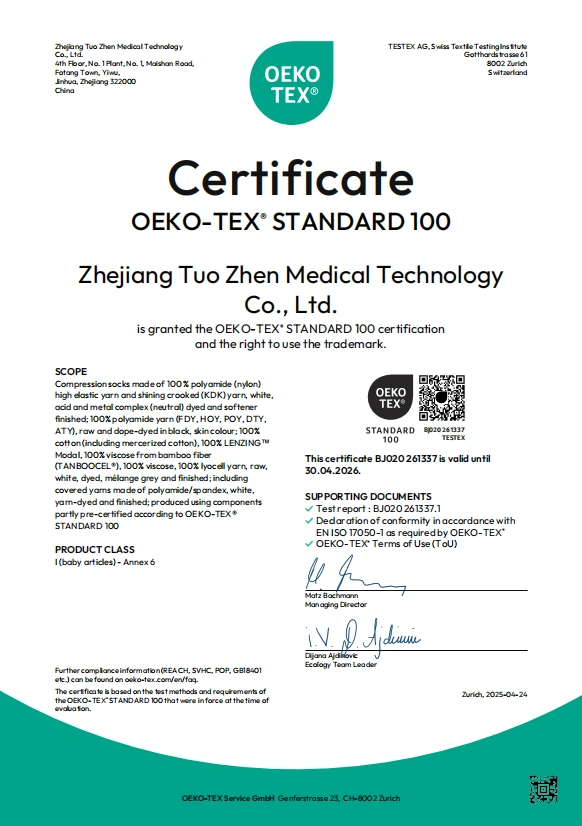
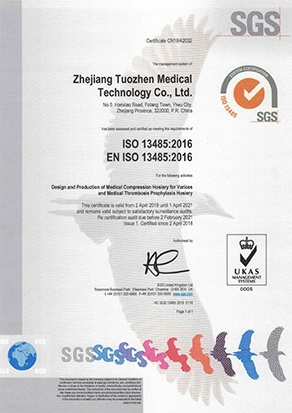
A complete sample request saves email rounds. When a distributor states the channel, pressure grade, length, sizes, and packaging in one message, the supplier can match samples to the intended use instead of guessing. Sample requests are available for model No. TZ-20230617004, a 20-30 mmHg footless stocking with OEM/ODM and private-label options. The available specification wording includes both thigh-high and knee-high terms, so ask the supplier to confirm final length in the same message. A useful inquiry states the channel context, pressure grade and foot coverage, sizes and sample quantities, and packaging, labels, and documentation needs in one message. State whether the samples are for pharmacy retail, rehabilitation care, or both, and ask whether packaging or labeling differs by channel so the sample reflects the intended shelf or care setting. Write “20-30 mmHg footless” explicitly, and ask whether the stocking is available in more than one length so you can compare thigh-high and knee-high versions in the same review. Request the sizes you expect to stock and ask for the size chart alongside the samples. If your channel serves patients outside standard sizing, discuss custom fit compression socks requirements at this stage. Explain whether you need retail, neutral, or private-label packaging. Ask what product images and label information the supplier can provide, and request the regulatory or compliance documents that apply to your target market. Ask for MOQ, lead time, and pricing terms in the same message so commercial details arrive with the samples. If your channel needs a custom made compression socks program, state the required pressure grade, size range, and packaging direction. A detailed sample request starts the commercial conversation, gives the supplier a clear basis for a quote, and creates a record you can compare across suppliers before a bulk order.
Conclusion
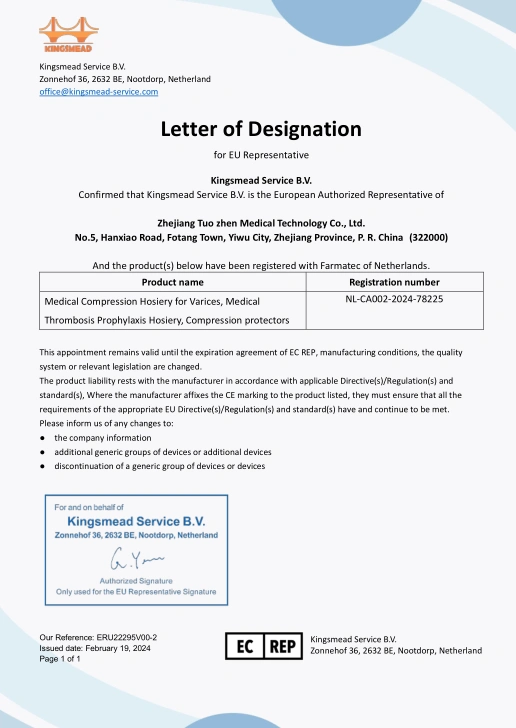
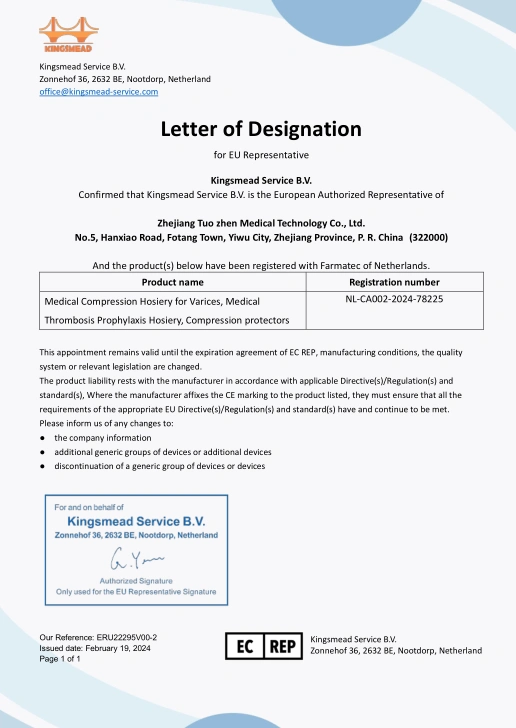
Choosing a 20-30 mmHg footless compression sock for a medical supply channel comes down to channel use, sample behavior, and inquiry detail. Define whether the product serves pharmacy retail, rehabilitation care, or both; test the ankle hem and gradient on representative wearers; and put pressure grade, length, sizes, packaging, and documentation needs into the first message. The 20-30 mmHg firm support footless stocking supports wholesale, OEM/ODM, and private-label supply. Send a sample request that states your channel, preferred length, size spread, and packaging needs, and ask for MOQ, lead time, and pricing terms at the same time.
FAQ
Q: What product details should a distributor confirm before ordering 20-30 mmHg footless compression socks wholesale?
A: Confirm final length, size chart, ankle-band construction, packaging options, label content, and the documentation that applies to your market. Ask for MOQ, lead time, and pricing terms before placing a bulk order, and check that the samples match the 20-30 mmHg footless specification.
Q: How should a distributor evaluate footless compression stocking samples for pharmacy and rehab channel fit?
A: Have several wearers walk in the samples and check how the hem sits at the ankle through normal movement. Test the stocking with footwear common in each channel, confirm that the elastic edge stays in place, and ask the supplier how the knit maintains the pressure gradient before approving the sample.
Q: What should a wholesale inquiry include when requesting 20-30 mmHg compression sock samples?
A: Include the intended channel, pressure grade and footless design, length versions to compare, sizes you plan to stock, and packaging preference. Add requests for the size chart, regulatory or compliance documents, MOQ, lead time, and pricing terms so the supplier can respond with samples and commercial details.
Sources / References
Compression stockings: MedlinePlus Medical Encyclopedia
CFR - Code of Federal Regulations Title 21
Related Examples
High Quality Firm Support Nylon 20-30 mmHg Gradient Footless Compression Thigh High Stockings Socks